What Is Fast Fashion?
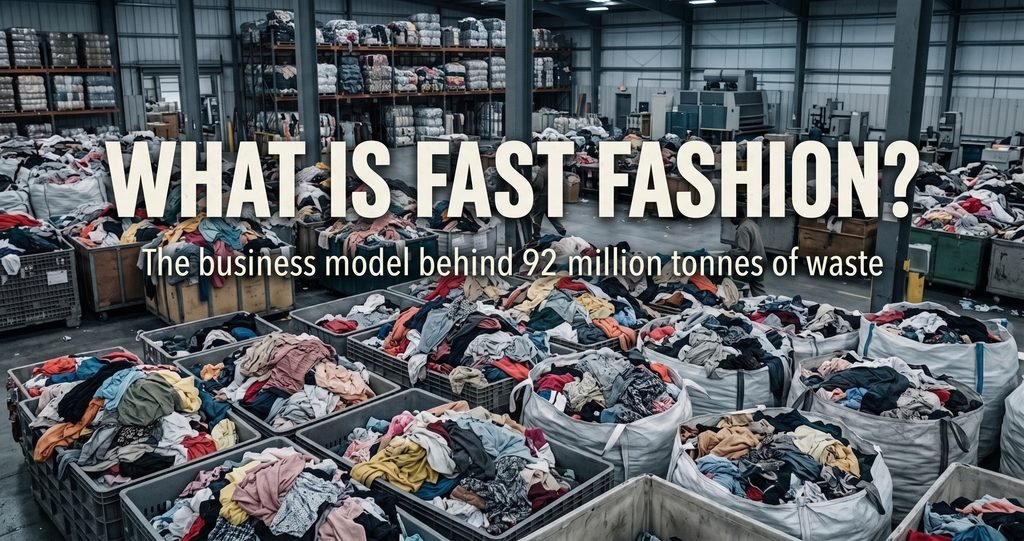
Fast fashion is a business model built on one formula: copy trends fast, manufacture cheap, sell in massive volume, and repeat before the customer has time to think twice. It is the reason a runway look from Milan can appear as a $12 dress on your phone within two weeks. It is also the reason the fashion industry now generates 92 million tonnes of textile waste every year.
The term sounds like it describes speed. It does. But speed is only the surface. Underneath it is a system designed to make clothing feel disposable, to keep you buying, and to push the real costs of production onto workers, ecosystems, and communities that most consumers will never see.
This page explains what fast fashion actually is, how the model works, where it came from, and why it has become one of the most destructive industries on the planet.
The Definition: What Does Fast Fashion Mean?
Fast fashion is an approach to clothing design, manufacturing, and retail that rapidly replicates trending styles from runways, celebrity outfits, and social media at extremely low prices using cheap materials and mass-production techniques.
The term was first used by The New York Times in the late 1980s when Spanish retailer Zara opened its first store in New York. The newspaper used the phrase to describe Zara’s ability to take a garment from the design stage to store shelves in just 15 days, a turnaround that was unheard of at the time.
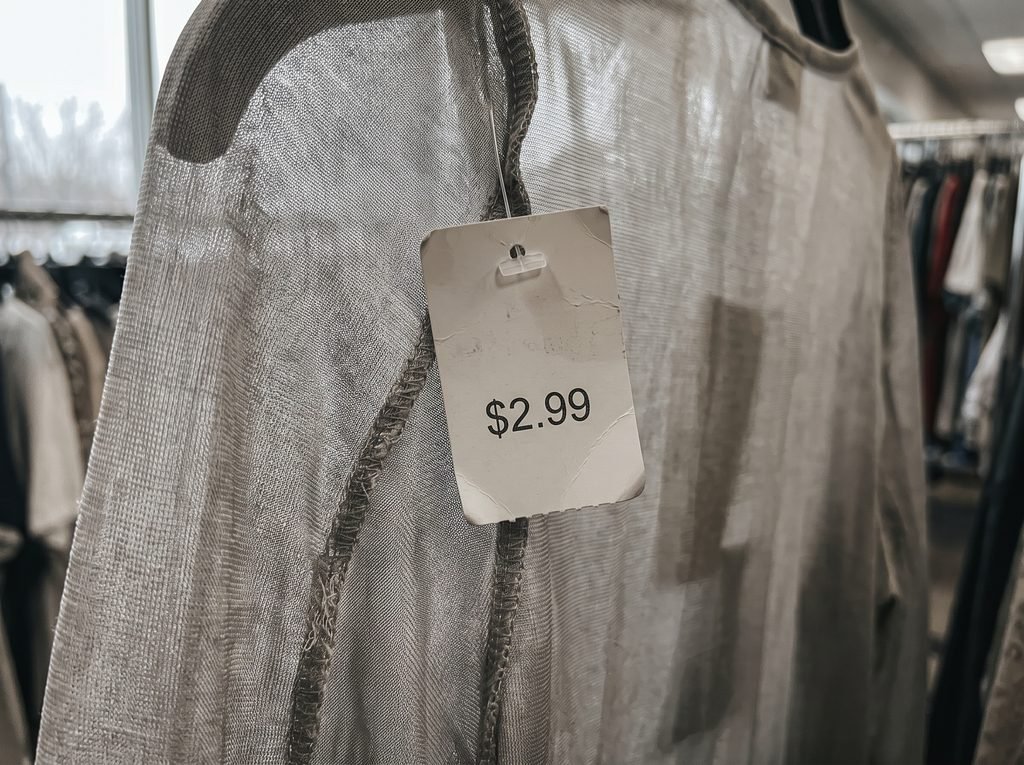
Industry experts often describe fast fashion as the clothing equivalent of fast food: marketed as convenient, cheap, and accessible, but built on hidden social, environmental, and financial costs that the consumer never sees at checkout.
What makes a brand “fast fashion” is not any single trait. It is the combination of several operating characteristics working together. Here are some notable identity of fast fashion:
- Trend replication instead of original design
- Extremely low retail prices
- Heavy reliance on synthetic fabrics made from petroleum
- Rapid production cycles measured in days or weeks, not months
- Outsourced manufacturing in countries with low wages and weak labour protections
- Low garment quality designed to be replaced, not repaired
- High-volume output that treats overproduction as a feature, not a flaw
If a brand operates on most or all of these characteristics, it is fast fashion, regardless of what it calls itself in its marketing.
How the Fast Fashion Business Model Works
Fast fashion is not just about making clothes quickly. It is an integrated system where every part of the process, from trend detection to consumer psychology. This system is designed to maximise the number of garments sold while minimising the cost of each one.
Here is how each part of that system operates.
1. Trend Replication: Copy First, Create Never
Fast fashion brands do not invest in long-term original design. Instead, what fast fashion apparel companies do is, they monitor real-time trends from three sources:
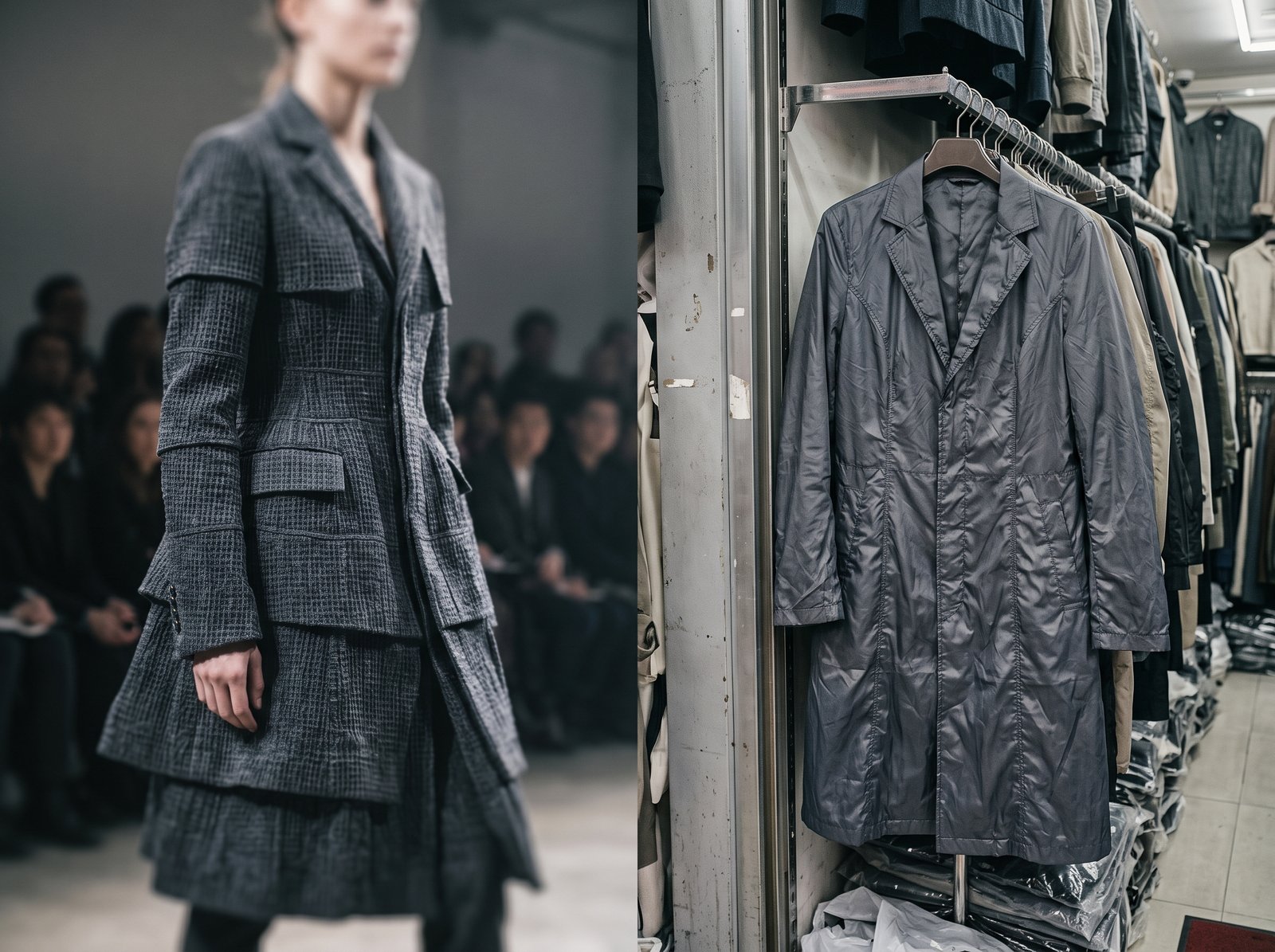
- Runway collections. When luxury fashion houses debut new looks at Fashion Week, fast fashion companies reverse-engineer simplified versions using cheaper materials within days.
- Celebrity and influencer culture. When a public figure is photographed in a distinctive outfit, fast fashion teams produce budget imitations almost immediately.
- Social media algorithms. Ultra-fast fashion platforms like Shein and Temu use automated software to scan social platforms like TikTok, Instagram, and Pinterest for emerging visual trends. Algorithms track which styles are gaining traction and feed that data directly into production pipelines.
This is not passive observation. It is industrialised copying at speed. Ultra-fast platforms like Shein have faced over 100 copyright infringement lawsuits from independent designers whose work was reproduced and sold at a fraction of the original price before the creator could respond.
2. From Seasons to Micro-Seasons: The Speed Escalation
Traditional fashion operated on two to four seasonal collections per year. Designers would plan collections four to nine months in advance, taking large financial bets on predicted trends.
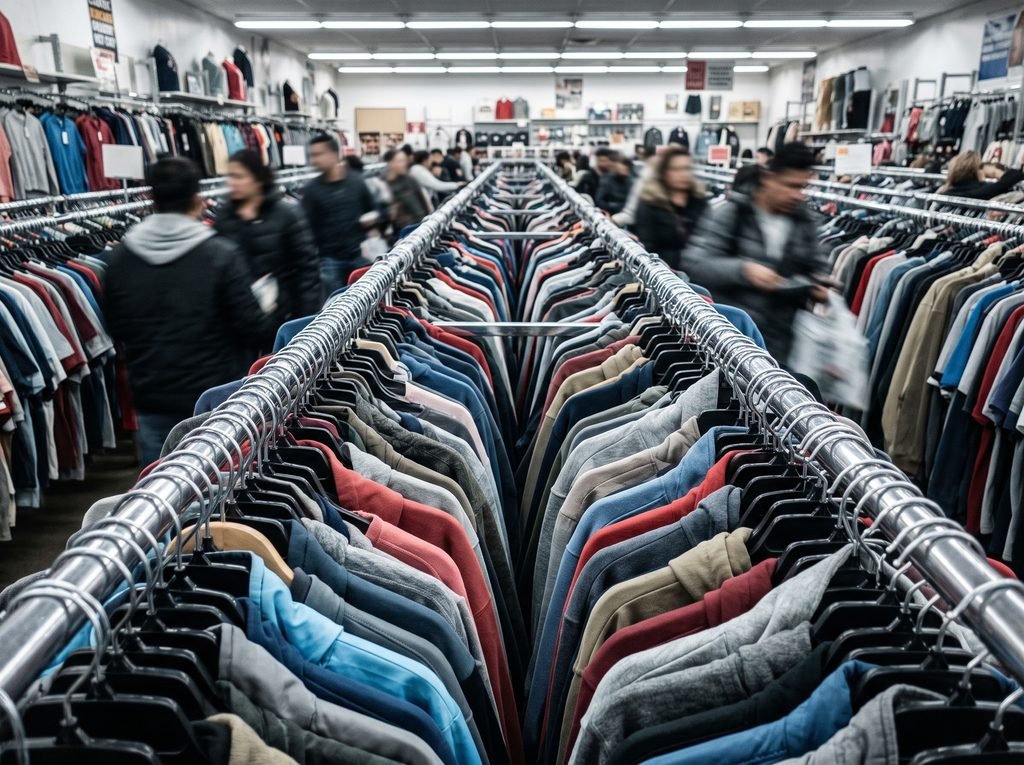
Fast fashion dismantled that clothing production calendar entirely.
- The first wave of fast fashion culture came from brands like Zara and H&M, which compressed the design-to-shelf timeline from months to roughly two weeks. Instead of four seasonal drops per year, they introduced up to 52 “micro-seasons,” releasing new inventory weekly or biweekly so that store stock was constantly refreshed.
- The second wave came from digital platforms. Shein, Temu, Boohoo, and Fashion Nova pushed the cycle even further. These fast fashion companies started to use real-time data, small-batch manufacturing, and networks of contract factories, these platforms now add thousands of new items to their websites every single day, with production turnarounds as fast as three to seven days.
The result of this fast fashion practice: a consumer environment where something you bought last week already feels outdated because hundreds of newer options have appeared since.
3. Data-Driven Small-Batch Testing
The most sophisticated fast fashion platforms no longer guess what will sell. They trail and test.
Instead of placing massive upfront orders of 10,000 to 100,000 units per style (as traditional retailers did), ultra-fast brands launch initial runs of just 100 to 200 units. They then track real-time customer engagement: clicks, hovers, time spent on product pages, cart additions, and purchase completions.
If the data shows strong engagement, automated systems instantly trigger scaled-up reorders from networked contract factories. If a style underperforms, production stops immediately.
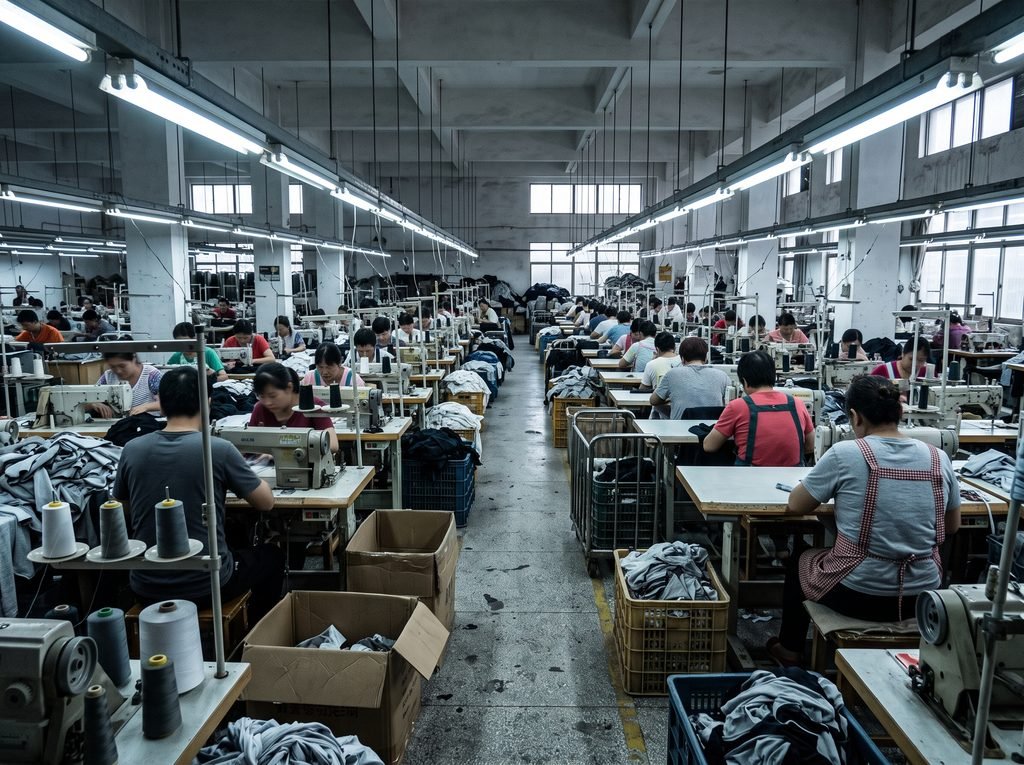
This model cuts the cost of unsold warehouse inventory by an estimated 30% to 40% compared to traditional retail. But it does not eliminate waste. It simply moves waste upstream in the supply chain. Because raw materials like cotton cannot be grown on demand, suppliers must stockpile massive reserves of fabrics, dyes, and trims in advance. And, another dengarous fact is that, the waste from those unused stockpiles rarely appears in any corporate sustainability report.
4. Cost Squeezing: Where the “Cheap” Comes From
When a dress costs $12 at retail, the cost savings come from three places.
Synthetic fabrics. Fast fashion relies heavily on petroleum-based synthetic fibres: polyester, nylon, acrylic, and elastane. These are significantly cheaper to produce in industrial quantities than natural fibres like cotton, linen, or wool. Synthetic materials can be manufactured year-round without depending on agricultural growing cycles, which makes them ideal for a model that demands constant output. Polyester alone now accounts for over 50% of global fibre production.
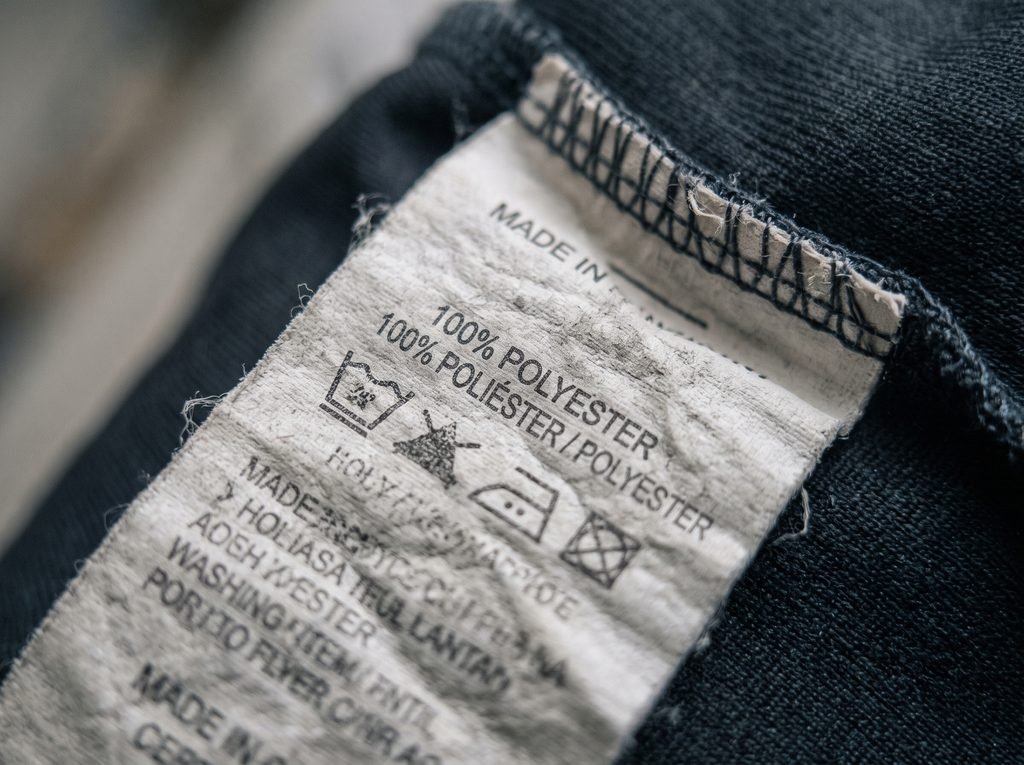
Offshored labour. Production is outsourced to complex, multi-tiered networks of contract factories in countries where labour costs are low, and enforcement of worker protections is minimal. Bangladesh, China, India, Vietnam, Cambodia, and Turkey are among the most common manufacturing bases. In Bangladesh, the world’s second-largest garment exporter, the legal minimum wage for garment workers is approximately $97 to $133 per month. An estimated living wage for necessities in the same country starts at $250 per month.
Minimal construction quality. Garments are assembled with lightweight fabrics, reduced stitching density, cheaper hardware (plastic zippers instead of metal, fewer buttons, no lining), and minimal quality control. The goal is not durability. Fast Fashion is always about the volume of the production.
5. Built-In Obsolescence: Designed to Be Replaced
Don’t make yourself with the low garment quality in fast fashion. This is not a manufacturing flaw. It is a business strategy.
When clothes are built to lose shape, tear, or pill after a handful of washes, consumers are forced to replace them. When the replacement costs $10 and a new micro-trend has arrived in the meantime, the consumer buys something new rather than repairing what they already own.
The data reflects this. Since the year 2000, global clothing purchases have doubled, but the average number of times a garment is worn before being discarded has dropped by 36%. Fast fashion items are routinely thrown away after fewer than seven to ten wears. Trend-driven party tops are worn an average of just 1.7 times before being retired.
This is what industry analysts call “BETON UNO” or disposable fashion. The garment deteriorates physically through low quality, and it deteriorates psychologically through rapid trend cycles. Together, these forces keep consumers locked in a loop of buying, wearing briefly, and discarding.
The Consumer Psychology Behind Fast Fashion
Fast fashion does not succeed purely on supply chain efficiency. It succeeds because it is engineered to exploit specific psychological triggers.
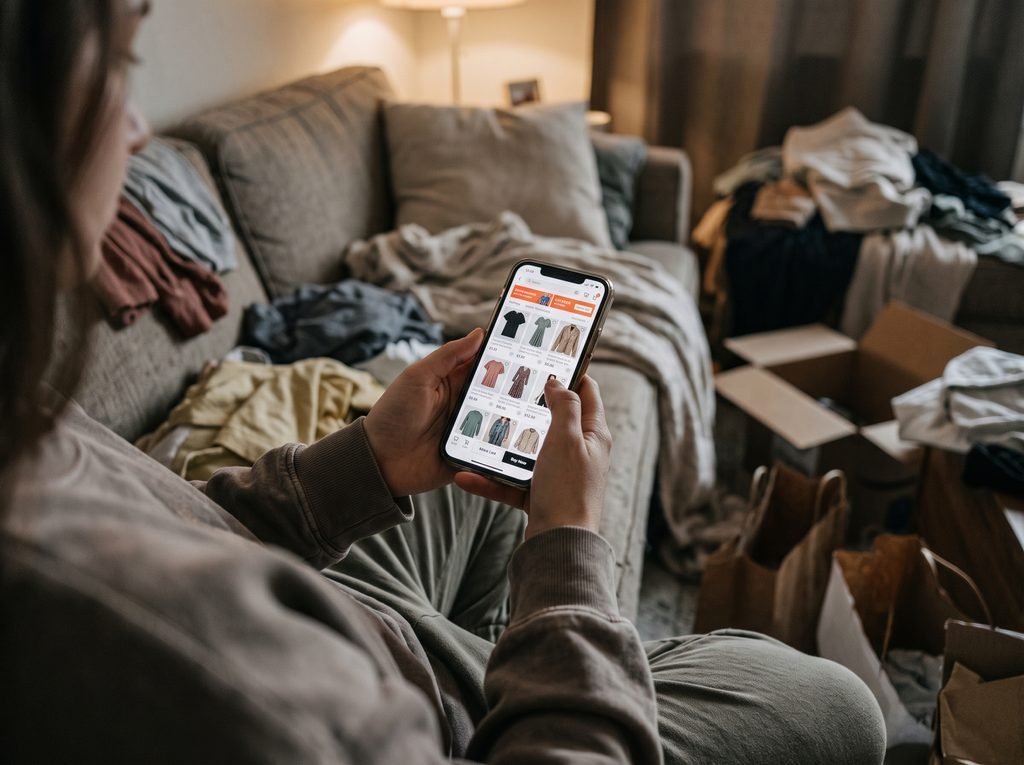
The result is measurable. An estimated 40% of fast fashion purchases sit in closets unworn, many with price tags still attached, before eventually entering municipal waste streams.
What Is Considered Fast Fashion? How to Identify It
Not every affordable clothing brand is fast fashion. And not every fast fashion brand is cheap. The distinction lies in the operating model, not the price tag alone.
A brand is operating on a fast fashion model if it demonstrates most of the following characteristics:
- Extremely high inventory turnover. New styles released weekly, daily, or continuously, rather than in planned seasonal collections.
- Trend-driven rather than design-driven. Products replicate existing popular styles rather than developing original designs with long-term relevance.
- Synthetic-heavy fabric composition. The majority of garments are made from polyester, nylon, acrylic, or blended synthetics rather than natural or certified organic fibres.
- Low garment durability. Items lose shape, colour, or structural integrity within a few washes or wears.
- Aggressive promotional pricing. Frequent site-wide sales, flash discounts, and promotional codes that suggest the “full price” was never the real price.
- Limited supply chain transparency. The brand does not publicly disclose where its garments are manufactured, who makes them, or under what conditions.
- High-volume production. Output measured in hundreds of millions or billions of garments per year, far exceeding what natural demand would require.
Brands like Zara, H&M, Shein, Forever 21, Boohoo, PrettyLittleThing, ASOS, Fashion Nova, Temu, Primark, and Uniqlo all meet these criteria, though they vary significantly in the degree and speed of their operations. Some brands that position themselves as “basics” or “lifestyle” labels, such as Uniqlo or Gap, still qualify because their underlying production model operates on fast fashion mechanics at scale.
For the full list of fast fashion brands and how they are categorised, see our complete guide: Fast Fashion Brands →
How the Fast Fashion Industry Grew
Fast fashion did not appear overnight. It emerged through a series of structural shifts in how clothing was produced, marketed, and consumed.
1960s to 1980s
The groundwork
Globalisation opened access to low-cost manufacturing in developing nations. Western brands began outsourcing production to countries like Bangladesh, China, and India, dramatically reducing per-unit costs and enabling lower retail prices.
1990s
The Zara model
Zara, owned by Spanish parent company Inditex, demonstrated that fashion retail could operate on a fundamentally different timeline. By building high-tech production hubs in Spain connected to regional facilities and using undyed “greige goods” that could be quickly finished into trending colours and patterns, Zara proved that a 15-day turnaround from design to shelf was commercially viable. By 2008, Inditex had become the world’s largest fashion retailer.
2000s
The H&M expansion
H&M scaled the model further through aggressive global store expansion, luxury designer collaborations (starting with Karl Lagerfeld in 2004), and an emphasis on high-volume output at even lower price points. Other brands, including Forever 21, Primark, and Topshop, followed the same playbook.
2010s
The e-commerce acceleration
Online-only platforms eliminated the overhead of physical stores and connected directly with consumers through social media. Fashion Nova pioneered Instagram-driven sales. Boohoo, PrettyLittleThing, and Missguided built entire brands around social media trend cycles and influencer marketing.
2020s
The ultra-fast era
Shein and Temu took the model to its logical extreme: AI-driven trend detection, thousands of daily product drops, three-to-seven-day manufacturing cycles, direct-from-factory shipping, and exploitation of trade loopholes like the de minimis tariff exemption to avoid import duties entirely. The speed and scale of production became orders of magnitude greater than anything the original fast fashion pioneers had imagined.
Today, the global fast fashion market is valued at approximately $178 billion, and it is projected to reach $388 billion by 2034.
The Environmental Impact
The environmental damage of the fast fashion industry is not incidental. It is the direct, measurable consequence of a production model built on disposability at scale.
Carbon emissions.
Textile waste.
Water consumption
Microplastic pollution.
Toxic wastewater.
Landfill dumping in the Global South.
For the full breakdown with sourced data, see: Environmental Impact of Fast Fashion →
The Human Cost of Fast Fashion
The low price of fast fashion clothing is made possible by externalising labour costs onto some of the most vulnerable workers in the global economy.
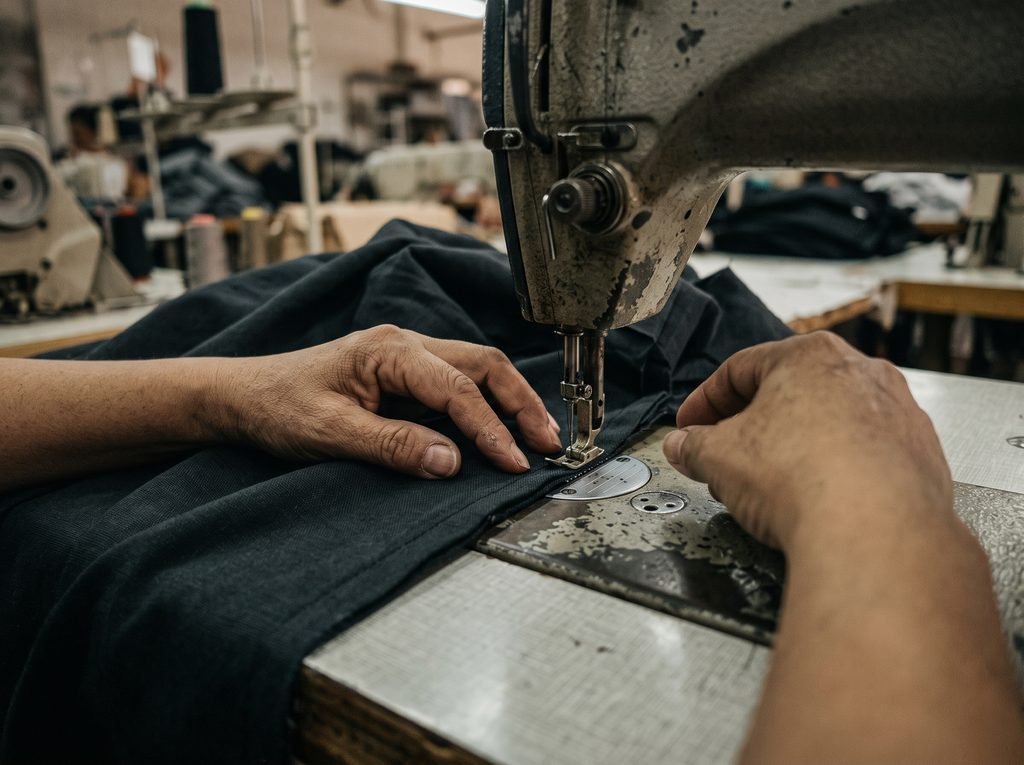
- Poverty wages. In Bangladesh, garment workers earn a legal minimum wage of approximately $97 to $133 per month. An estimated living wage in the same country starts at $250. Investigations into suppliers for brands like Forever 21 in the United States found workers earning as little as $4 an hour. H&M supplier audits in Turkey and India revealed wages at roughly one-third of a livable threshold.
- Dangerous working conditions. The 2013 Rana Plaza building collapse in Bangladesh killed over 1,100 garment workers and injured more than 2,500. Management had forced employees back into a visibly cracking structure under threat of withholding their pay. The 2012 Ali Enterprise factory fire in Pakistan killed 260 workers trapped inside.
- Forced and child labour. Supply chains for fast fashion have been linked to state-sponsored forced labour in China’s Xinjiang region (where 20% to 30% of global cotton is harvested) and to child exploitation on cotton plantations in India and Uzbekistan.
- Gender-based exploitation. Approximately 80% of garment workers globally are women, typically in their early twenties. Human Rights Watch has documented widespread gender-based violence, verbal abuse, and sexual harassment in factories across Bangladesh, India, Pakistan, and Cambodia.
- Union suppression. Workers who attempt to organise for better pay or conditions face systematic intimidation and suppression, including by specialised state industrial police forces.
For a detailed investigation, see: Fast Fashion Factories and Labour →
Greenwashing: When “Sustainable” Is a Marketing Strategy
As public awareness of fast fashion’s impact has grown, many brands have launched sustainability campaigns. The evidence suggests that most of these campaigns are marketing exercises rather than structural changes.
Investigations found that between 39% and 59% of environmental claims made by European fashion brands are inaccurate or misleading.
H&M’s “Conscious” collection was found to contain a higher proportion of synthetic fibres than its standard product line. Zara’s “Join Life” sustainability labels were flagged for referring to the sustainable material of the tag itself, not the garment. Shein was fined €1 million in Italy for making misleading environmental claims on its platform.
Many brands promote garment recycling programmes, but less than 1% of collected clothing is actually recycled into new garments. Most “recycled polyester” in fashion comes from recycled plastic water bottles, not from old clothes. True textile-to-textile recycling remains commercially marginal.
The fundamental problem with sustainability claims inside the fast fashion model is mathematical: any efficiency gains per garment are overwhelmed by the total volume of production. A brand cannot produce three billion garments a year and credibly claim to be sustainable, regardless of how many items carry a green tag.
What Fast Fashion Is Not
Understanding what fast fashion is also means understanding where the boundaries sit.
Fast fashion is not just “affordable clothing.” Price alone does not define it. A local tailor producing affordable garments from natural fabrics with fair labour practices is not fast fashion. A brand selling $80 items manufactured through the same speed-and-volume supply chain as a $10 brand can be.
Fast fashion is not a single brand or retailer. It is an industry-wide production model. Some brands are more extreme in their application of it (Shein, Temu), but the model extends across mainstream retail, mall brands, and even mass-market private labels sold through department stores.
Fast fashion is not an inevitable way to make clothing. For most of human history, clothing was produced on fundamentally different timelines, with fundamentally different materials, for fundamentally different reasons. The current model is roughly 30 years old. It is a business choice, not a law of economics.
Where to Go from Here
This page is the foundation. The rest of the site goes deeper into each dimension of the fast fashion industry.
See which brands operate this way.
Our complete list of fast fashion brands covers every major player, from ultra-fast platforms to mainstream high-street chains to mass retailers with private-label fashion lines. [Fast Fashion Brands: The Complete List →]
Understand the environmental data.
Emissions, water, waste, microplastics, and chemical pollution, broken down with sourced figures.
[Environmental Impact of Fast Fashion →]
Explore what works differently.
A researched guide to brands that do not operate on the fast fashion model, sorted by category and price range.
[Non-Fast Fashion Brands and Alternatives →]
Learn what systemic change looks like.
Policy, regulation, brand accountability, and what individuals can actually do that moves the needle.
[Solutions to Fast Fashion →]