Shein and Fast Fashion: Inside the Most Extreme Model Ever Built
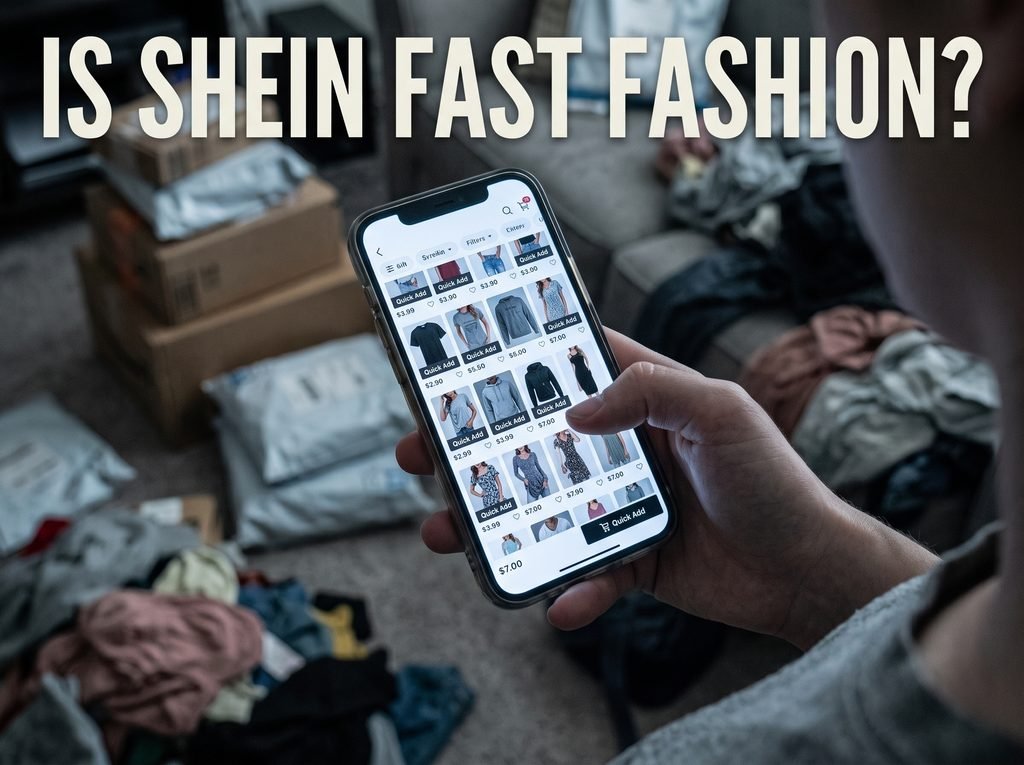
Shein is not just a fast fashion brand. It is the logical endpoint of the fast fashion model taken to its absolute extreme. Where Zara pioneered the idea of compressing production timelines from months to weeks, and H&M scaled it to billions of garments per year, Shein built something different entirely: a real-time, algorithm-driven, direct-from-factory machine that adds thousands of new items to its platform every single day.
It is the largest online-only fashion retailer in the world. It generated $41.85 billion in revenue in 2025. Its average item costs $14. And its supply chain has been linked to 75-hour work weeks, child labour, forced labour, over 100 copyright lawsuits, and regulatory fines across multiple countries.
This is the full profile of Shein Fast Fashion
Is Shein Fast Fashion?
Shein is not just fast fashion. It is what the industry calls “ultra-fast fashion,” a category that Shein essentially created.
Traditional fast fashion brands like Zara operate on a 10-to-15-day design-to-shelf cycle and release new inventory weekly. Shein operates on a 3-to-7-day production cycle and releases thousands of new items daily. The difference is not incremental. It is a fundamentally different speed of operation.
Here is what makes Shein’s model distinct from every other fast fashion brand.
How Shein Works: The Ultra-Fast Model
Shein’s entire operation is built around one idea: use data to detect trends in real time, manufacture tiny test batches instantly, scale only what sells, and ship directly from the factory to the consumer’s door. Every part of this pipeline is designed to eliminate the delays, waste, and overhead that traditional retail requires.
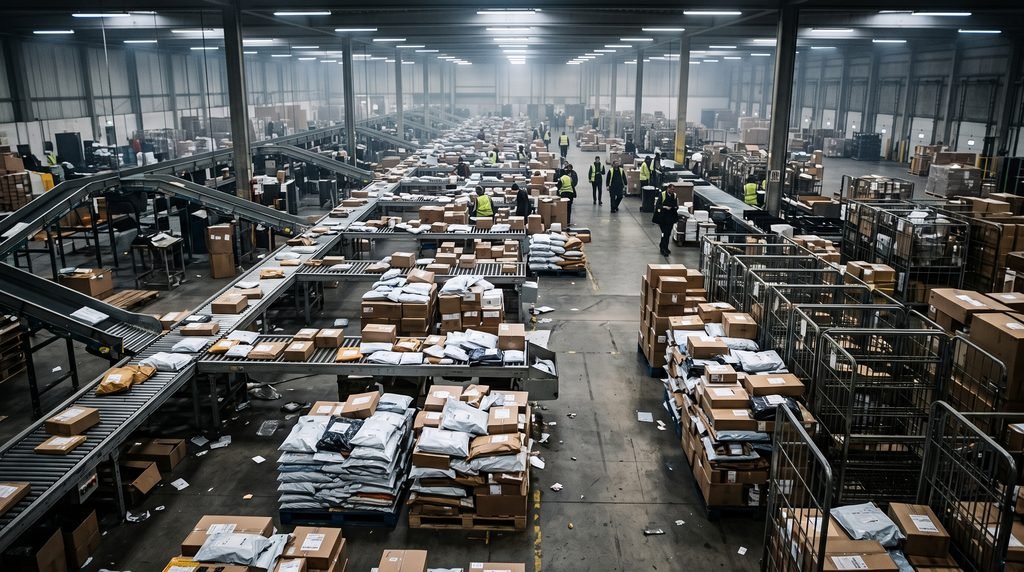
Algorithmic trend detection. Shein does not employ hundreds of designers sketching original collections. It uses automated software and AI to scan social media platforms (TikTok, Instagram, Pinterest), search engine trends, and competitor listings to identify what styles are gaining traction right now. This data feeds directly into the production pipeline.
Small-batch testing at extreme speed. When the algorithm identifies a trending style, Shein produces an initial run of just 100 to 200 units. The item goes live on the app. If clicks, cart additions, and purchases indicate strong demand, automated management software instantly triggers scaled-up reorders from Shein’s network of contract factories. If the item underperforms, production stops. The entire test cycle happens in days, not weeks.
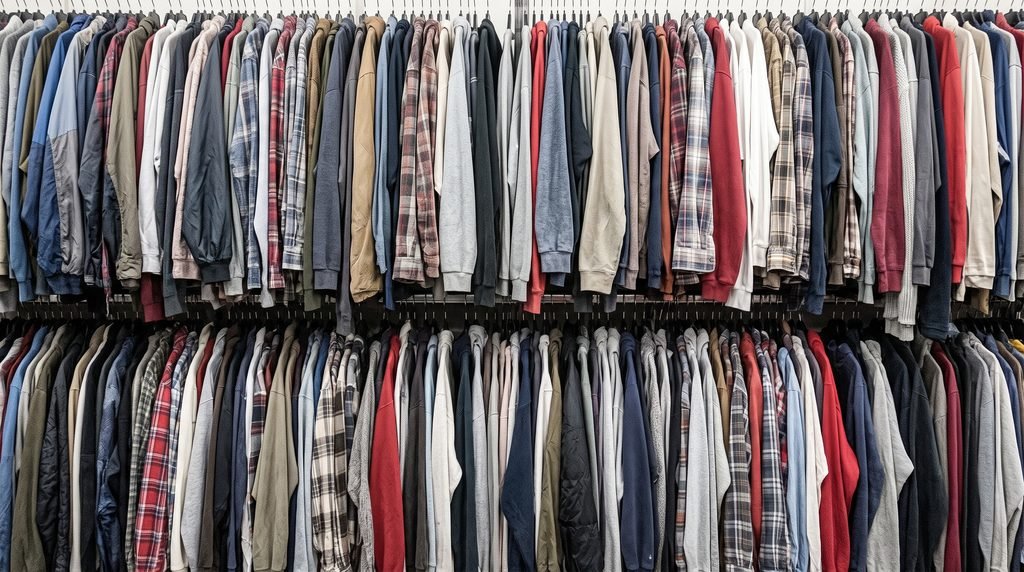
Thousands of daily drops. Shein lists between 2,000 and 10,000 new items on its platform every single day. For comparison, Zara releases 12,000 to 35,000 new designs per year. Shein can match that output in a single week.
Direct-from-factory shipping. Shein does not operate retail stores. It ships individual packages directly from its factory network to consumers worldwide, bypassing regional warehouses, distribution centers, and retail overhead entirely.
De minimis tariff exploitation. Until the US removed the exemption in May 2025, Shein shipped individual packages valued under $800 directly to American consumers duty-free, avoiding customs inspection and import duties. This loophole gave Shein a structural pricing advantage over any competitor that imported through traditional channels. The EU introduced a similar customs duty of €3 per item on low-value consignments from outside the bloc in July 2026.
Shein by the Numbers
Headquarters: Singapore (operations and supply chain based in China, primarily in Guangzhou’s Panyu district).
Founded: 2012 in China.
Revenue: $41.85 billion in 2025, up 8% from $38.7 billion in 2024. Growth slowed sharply from 41.1% annual growth in 2023 to 8% in 2025 and 1.1% in the first quarter of 2026.
Profitability: Net income fell from $3.4 billion in 2024 to $2.1 billion in 2025. In the first quarter of 2026, Shein posted a net loss of $99 million, compared to a profit of $395 million in the same period a year earlier.
IPO: Shein launched its Hong Kong IPO in August 2026 at a valuation of approximately $25 to $27 billion, roughly a quarter of its peak private valuation of $98.2 billion in 2022. The steep decline reflects slowing growth, rising trade costs, regulatory pressure, and intensifying competition.
Average item price: Approximately $14. Known for selling $5 dresses and $10 jeans.
Markets served: Approximately 160 countries. Europe accounted for 35.4% of 2025 revenue ($14.8 billion). The US accounted for 24.1%.
Supply chain: Over 5,000 contract manufacturers, overwhelmingly based in China.
Supply chain auditing: Shein conducted approximately 4,300 audits covering about 317,000 workers in 2024. Previous reporting indicated that audits covered only about 36% of Shein’s contracted manufacturers.
New items per day: Between 2,000 and 10,000 new styles listed daily.
Production turnaround: 3 to 7 days from design to listing.
The Supply Chain: What Happens Behind the $5 Dress
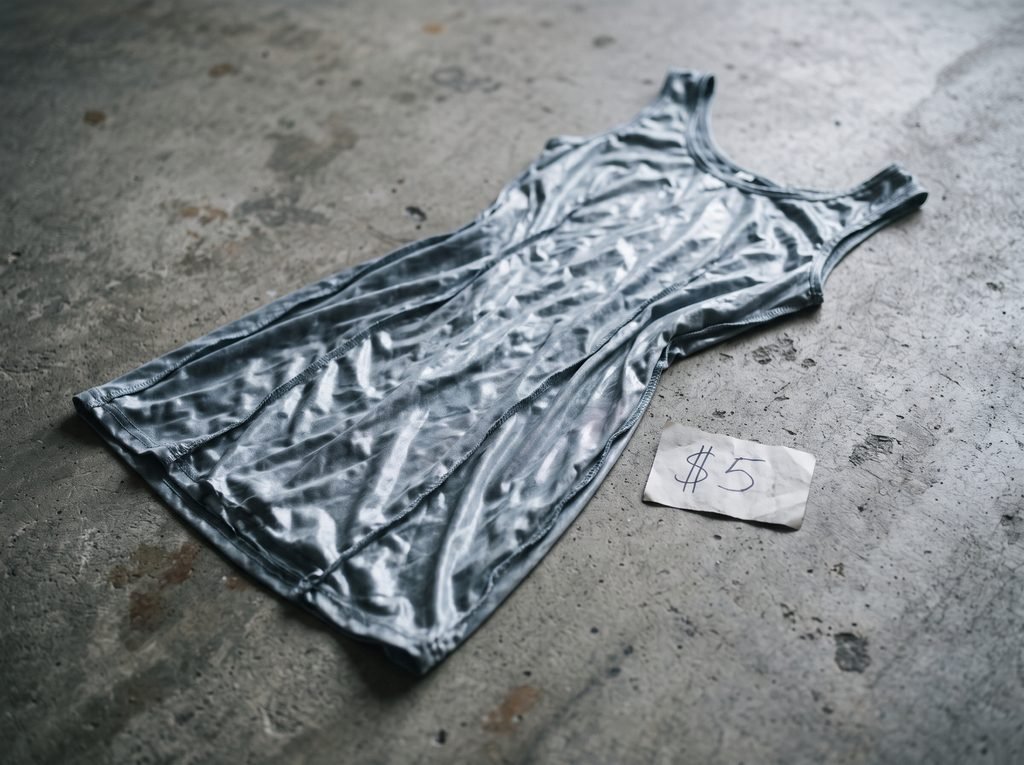
Shein’s supply chain is concentrated in Guangzhou, China, particularly in the Panyu district, which has become known as “Shein Village.” This is where the majority of Shein’s garments are manufactured by thousands of small contract factories.
A BBC investigation that spent several days in Panyu visited 10 factories, spoke to four owners, and interviewed more than 20 workers. Here is what it found.
75-hour work weeks. Workers at Shein supplier factories work approximately 75 hours per week, in direct contravention of Chinese labour laws which cap regular working hours at 40 per week with a maximum of 36 hours of overtime per month.
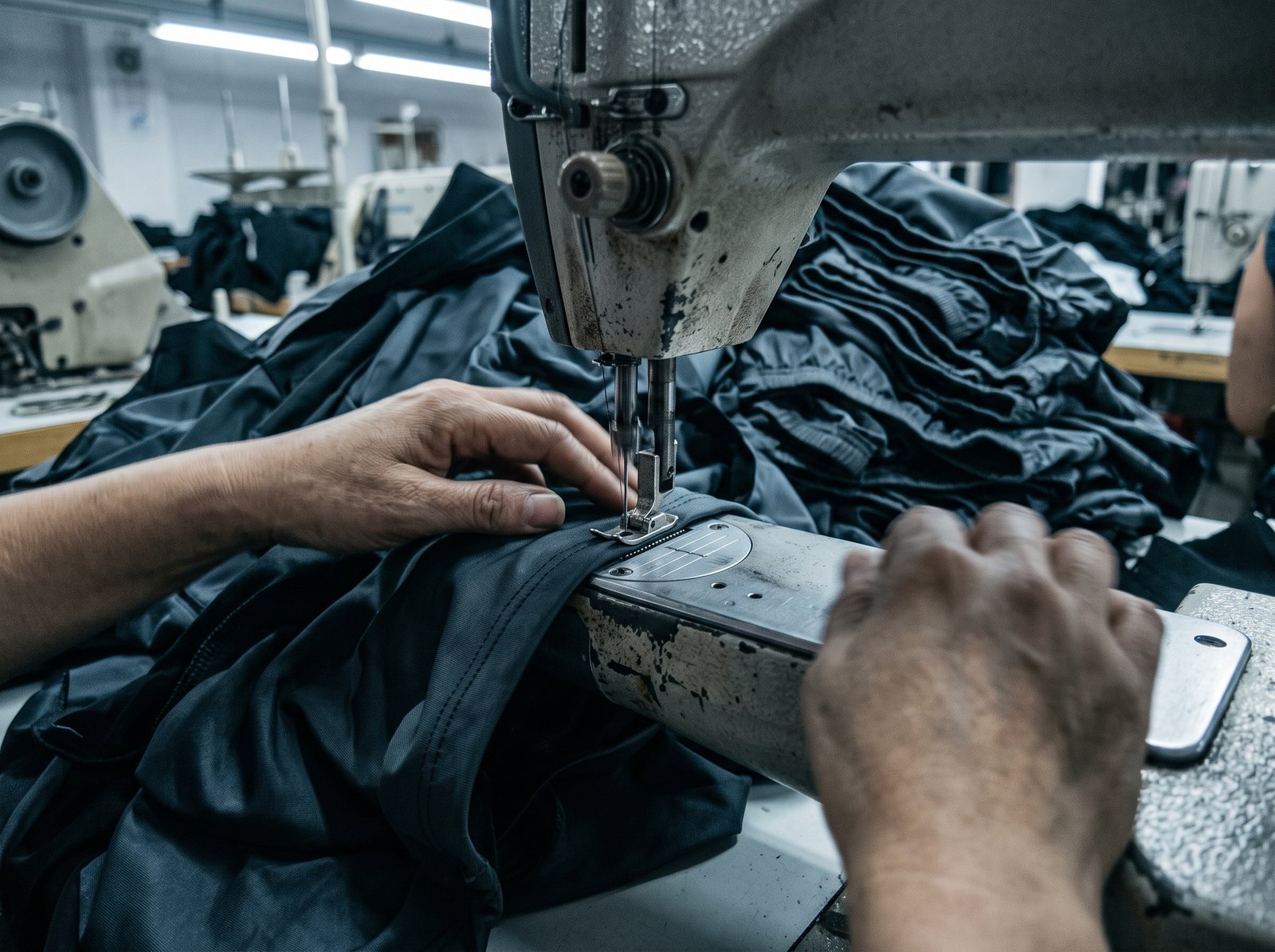
Earnings structure. Workers earned between 4,000 and 10,000 yuan per month (roughly $550 to $1,370), with income heavily dependent on volume. The piece-rate pay model means workers earn more only by sewing more garments faster, incentivizing speed over everything else.
Temporary and precarious labour. Factories hire temporary workers to meet demand spikes that permanent staff cannot fulfil. These workers have even fewer protections and less income security.
Blocked exits and safety concerns. A 2021 investigation by the Swiss advocacy group Public Eye found workers at six Shein suppliers subject to 75-hour weeks in factories with blocked corridors and stairways, directly mirroring the conditions that led to disasters like the Rana Plaza collapse.
Forced Labour, Child Labour, and Xinjiang Cotton
The most serious allegations against Shein involve its links to forced labour and child exploitation.
Xinjiang cotton. Shein has faced repeated scrutiny over whether its cotton supply chain includes cotton harvested in China’s Xinjiang region, where 20% to 30% of the world’s cotton is produced and where state-sponsored forced labour involving Uyghur Muslim populations has been extensively documented.
When questioned by the UK Parliament’s Business and Trade Committee in January 2025, Shein’s general counsel for Europe, the Middle East, and Africa refused to confirm or deny whether Shein’s products contain Xinjiang cotton. She declined to answer whether Shein specifically prohibits its suppliers from sourcing cotton from Xinjiang, saying she would need to “write back” on the question.
MPs described themselves as “horrified” by the exchange. One committee member told Shein’s representative: “You have given us almost zero confidence in the integrity of your supply chains. You can’t even tell us what your products are made from.”
The campaign group Stop Uyghur Genocide provided a dossier to the committee arguing that evidence shows “a high likelihood of forced labour in the online fashion seller’s supply chain.”
Child labour. Shein’s own reporting confirmed two cases of child labour in its supply chain in 2024, including one involving a child aged 11 years and 8 months. The company said it terminated its relationship with the supplier involved. Two additional cases involving child labour and forced labour were confirmed in Shein’s 2023 sustainability report.
Shein states that it “strictly prohibits child labour and forced labour” and has invested in strengthening ID verification processes for new hires at supplier factories. But the repeated discovery of these violations, combined with the refusal to address Xinjiang sourcing directly, raises structural questions about the effectiveness of Shein’s monitoring across a network of over 5,000 manufacturers.
Copyright Theft: Industrialised Copying
Shein’s business model is built on trend replication. But in practice, that replication frequently crosses the line into direct copying of independent designers’ and small brands’ original work.
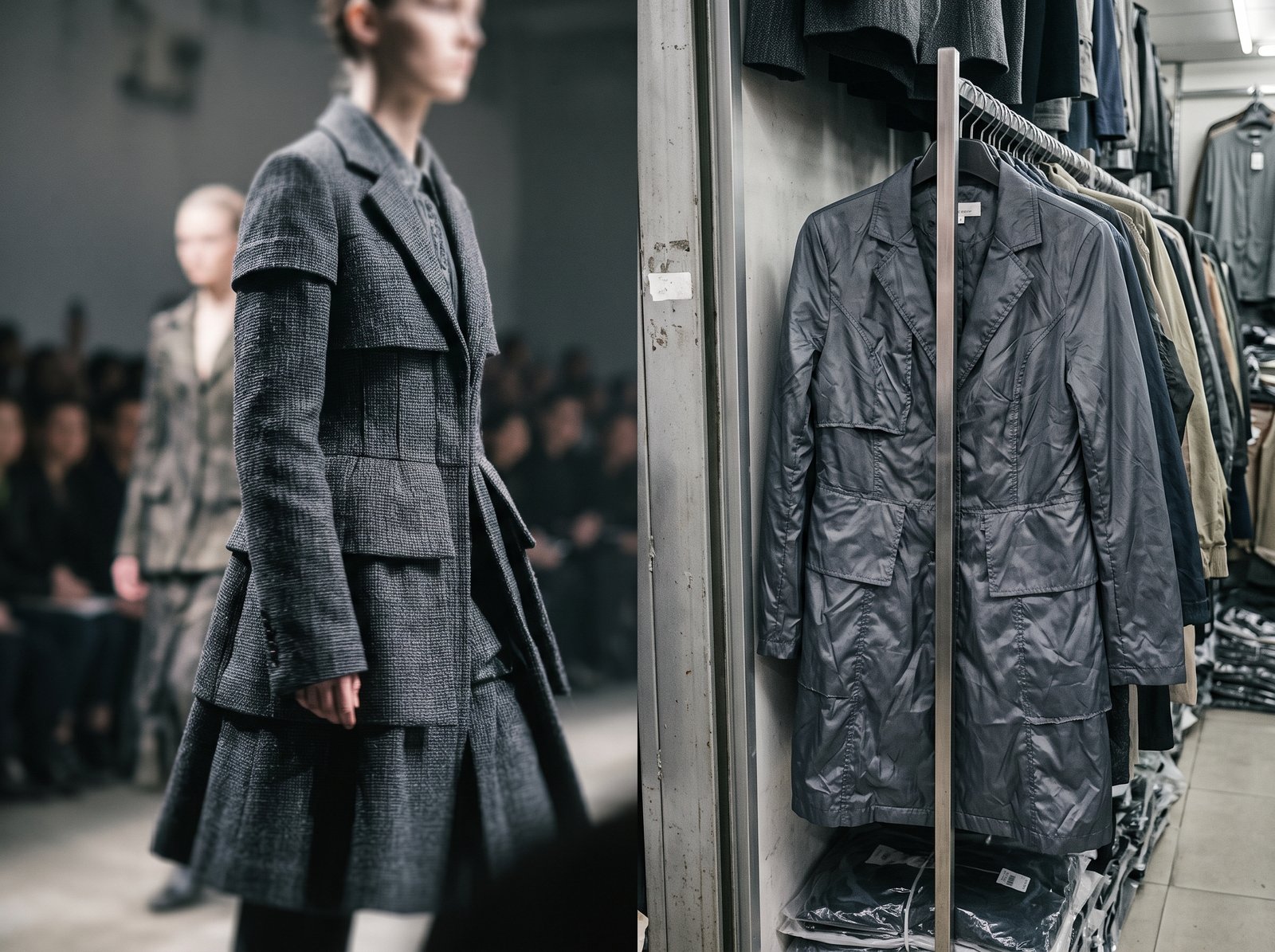
Shein has faced over 100 copyright infringement lawsuits from independent designers, artists, and fashion brands whose original designs were reproduced and sold on the platform at a fraction of the original price, often before the creator had time to respond.
The speed of Shein’s production pipeline makes this particularly damaging. By the time a designer identifies a copied product, files a complaint, and pursues legal action, Shein may have already manufactured and sold thousands of units, moved on, and listed hundreds of new items in its place.
This is not an occasional lapse. It is a structural feature of a model that relies on algorithmic trend detection and rapid reproduction at a scale that makes case-by-case enforcement nearly impossible.
Regulatory Fines and Legal Challenges
Shein’s rapid growth has drawn increasing legal and regulatory action across multiple countries.
Italy. Shein was fined €1 million for making misleading environmental claims on its platform.
France. French regulators fined a Shein sales entity €40 million ($45.6 million) in July 2025 over misleading discount practices and unsubstantiated environmental claims. France’s consumer protection authority imposed a further €22.5 million fine in June 2025 over problems involving returns, product disclosures, and order confirmations. Total French fines: over €62 million.
United States. The removal of the de minimis tariff exemption in May 2025 directly impacted Shein’s US sales model. The company acknowledged in its IPO filing that the change “hurt its US sales and overall revenue growth.”
European Union. The EU introduced a temporary customs duty on low-value consignments from outside the bloc in July 2026. Shein’s IPO prospectus noted that Europe’s removal of the loophole “could also have a material negative impact,” given that Europe contributed 35.4% of 2025 revenue.
UK Parliament. The January 2025 hearing before the Business and Trade Committee resulted in public criticism of Shein’s refusal to answer questions about forced labour, cotton sourcing, and supply chain transparency.
Vietnam. In December 2024, the Vietnamese government halted Shein’s activities in the country after the company failed to comply with regulatory requirements for e-commerce registration.
Shein’s Environmental Impact
Shein does not publish the kind of detailed environmental data that companies like Inditex or H&M Group release. But the environmental impact of its model can be assessed from the structural characteristics of its production.
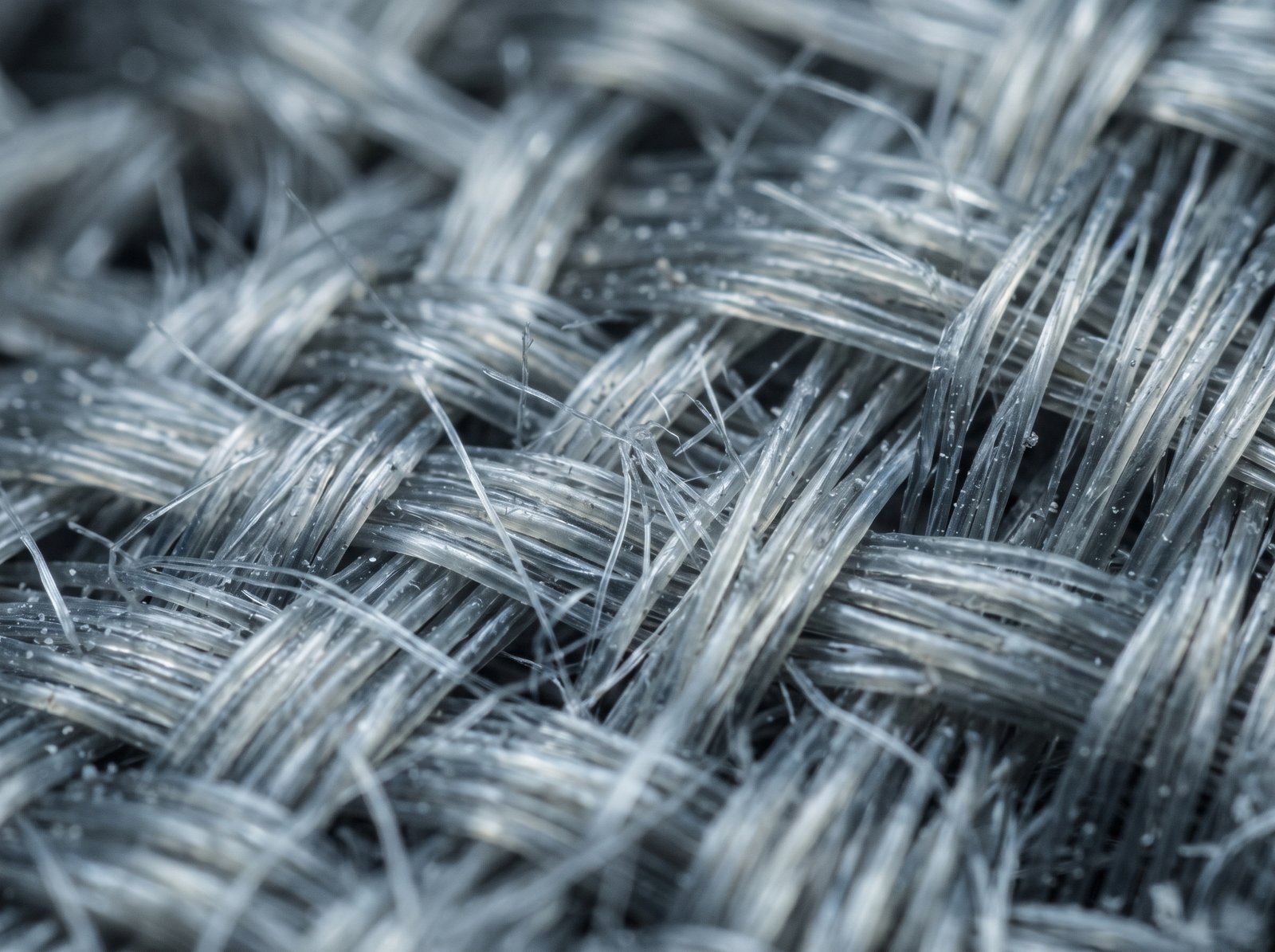
Synthetic dominance. The vast majority of Shein’s products are made from petroleum-based synthetic fibres, primarily polyester. Synthetic materials are non-biodegradable, shed microplastics with every wash, and take centuries to decompose in landfills.
Volume and waste. Shein lists thousands of new items daily. Even with its small-batch testing model, the cumulative production volume is enormous. Items that underperform in testing are not necessarily recycled. They enter the waste stream.
Single-use pricing psychology. At $5 to $14 per item, Shein’s pricing actively encourages consumers to treat garments as disposable. Research shows that fast fashion garments are worn an average of fewer than seven to ten times. At Shein’s price point, the incentive to care for, repair, or even keep a garment is essentially zero.
Shipping footprint. Shein’s direct-from-factory model ships individual packages by air freight from China to consumers worldwide. This per-item international air shipping generates significantly higher carbon emissions per garment than the container shipping and regional distribution model used by traditional retailers.
The IPO: What the Valuation Drop Tells You
Shein’s Hong Kong IPO in August 2026 was the largest new share sale in Hong Kong that year. But the valuation tells a story of its own.
In 2022, private investors valued Shein at $98.2 billion. By the time it went public, the IPO valued the company at approximately $25 to $27 billion, roughly a quarter of its peak.
That drop reflects several converging pressures:
Revenue growth stalling. From 41.1% annual growth in 2023 to 8% in 2025 to just 1.1% in the first quarter of 2026.
Profitability declining. Net income fell from $3.4 billion (2024) to $2.1 billion (2025), then swung to a $99 million loss in Q1 2026.
Trade loopholes closing. The removal of the US de minimis exemption and EU customs duties directly undercut one of Shein’s core competitive advantages: duty-free, inspection-free cross-border shipping.
Regulatory scrutiny intensifying. Fines in France and Italy, parliamentary investigations in the UK, and concerns about forced labour all weigh on investor confidence.
Reputational risk. As one investment strategist noted, “Shein may still be one of the biggest names on the fast fashion catwalk, but the IPO is going to be a harder sell, with plenty of investors questioning whether its low-cost formula still has the star power to deliver the growth they’re looking for.”
US congressional representatives publicly called on American banks to withdraw from underwriting the IPO. Representative John Moolenaar stated: “For major US banks to bankroll Shein’s IPO shows these institutions have no regard for human rights or the victims of forced labor who will be forced to pick cotton for Shein’s clothes.”
Shein vs. Other Fast Fashion Brands
Where does Shein sit relative to the rest of the industry?
Compared to Zara: Zara operates nearly 3,000 physical stores, produces 450 to 840 million garments per year, and averages $34 per item. Zara’s design-to-shelf cycle is 10 to 15 days. Shein has no stores, averages $14 per item, and operates on a 3-to-7-day cycle with thousands of daily drops. Zara publishes full supplier lists. Shein’s audits cover a fraction of its manufacturers.
Compared to H&M: H&M produces roughly 3 billion garments annually across 4,100 stores. H&M has faced greenwashing fines but also publishes detailed sustainability reports, holds a CDP A-rating, and invests hundreds of millions in decarbonisation annually. Shein publishes minimal environmental data by comparison.
Compared to Temu: Temu operates on a similar ultra-fast, direct-from-China marketplace model, but primarily as a general merchandise platform rather than a fashion-first brand. Temu’s average fashion prices run roughly 25% lower than Shein’s.
Compared to sustainable brands: The gap is not a spectrum. It is a different category entirely. Brands like Patagonia (B Corp, Fair Trade, repair-first), Nudie Jeans (100% organic cotton, free lifetime repairs), and Pact (GOTS, Fair Trade) operate on production models that are structurally incompatible with Shein’s. Comparing them on a sustainability axis implies they are doing the same thing with different priorities. They are not doing the same thing.
The Bottom Line on Shein
Shein is the most extreme fast fashion operation ever built.
It produces more new items in a single day than most brands produce in a year. It ships individual packages by air freight from Chinese factories directly to consumers in 160 countries. Its supply chain has been linked to 75-hour work weeks, child labour, forced labour, and a refusal to address cotton sourcing from a region documented for state-sponsored exploitation. It has faced over 100 copyright lawsuits and over €63 million in regulatory fines across Europe. Its own audits cover only a portion of its manufacturing network.
And it sells $5 dresses.
The price tag does not include the cost of the labour conditions. It does not include the cost of the microplastics that will shed from that polyester dress every time it is washed. It does not include the cost of the carbon emitted to air-freight a single package from Guangzhou to your doorstep. It does not include the cost of the landfill space that dress will occupy for the next 200 years.
Shein is cheap because those costs are paid by someone else. That is the model. That has always been the model. Shein just does it faster and at greater scale than anyone before it.
Whether that is a price you are willing to pay is your decision. The evidence is here so you can make it with full information.
Alternatives to Shein
If you shop at Shein because of price, these are the most affordable alternatives that operate on a different model:
For everyday basics under $30: Pact (GOTS-certified organic cotton, Fair Trade factories), Yes Friends (Fair Trade organic cotton, solar-powered factories), Colorful Standard (OEKO-TEX certified organic cotton).
For budget denim: Warp + Weft (98% water recycling, size-inclusive, mid-range pricing).
For activewear: Girlfriend Collective (recycled materials, SA8000 certified factories).
For secondhand at Shein prices: Depop, Vinted, ThredUp, and Poshmark all carry used clothing at price points comparable to Shein, without the production impact.
[See the full list: Non-Fast Fashion Brands and Alternatives →]
This post is part of our ongoing coverage of major fast fashion brands. For the complete list of fast fashion brands and how they operate, see [Fast Fashion Brands: The Complete List →]. To understand the full environmental and human cost of the fast fashion model, see [Environmental Impact of Fast Fashion →].
Sources:
- Shein Hong Kong IPO at $27bn valuation (IntelliNews)
- Shein IPO valuation and financial data (Caixin Global)
- Shein IPO launch and $27bn valuation (Honolulu Star-Advertiser / AP)
- Shein IPO valuation target $25bn (Reuters via Khaleej Times)
- BBC investigation into Shein supplier conditions (Business & Human Rights Resource Centre)
- Shein child labour cases 2024 (Retail Gazette)
- Shein child and forced labour in supply chain 2023 (FashionUnited)
- UK MPs “horrified” after Shein dodges forced labour questions (Morningstar / Alliance News)
- Stop Uyghur Genocide dossier on Shein supply chains (Leigh Day)
- Shein IPO investor concerns (LBC)